
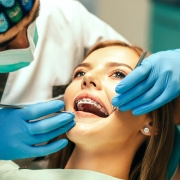
The Importance of a Well-aligned Bite

Most people don’t realize how much their bite can affect everyday life. You might think misaligned teeth are just a cosmetic problem—something you fix for appearances. But a bite that doesn’t come together properly can lead to issues you barely expect: jaw pain, uneven wear, headaches, even trouble chewing certain foods. The truth is, a well-aligned bite isn’t just nice to have—it’s important for long-term oral health.

Why Bite Issues Happen

There are many reasons people’s bites don’t line up just right. Some were born with jaw or teeth alignment differences. Others had dental trauma, missing teeth, or habits like thumb-sucking or tongue-thrusting in childhood. Sometimes the bite shifts over time as teeth move or wear down, especially if neighboring teeth shift into gaps. Even adults can benefit from treatment: braces for adults in Fort Meyers, FL aren’t just possible—they can be highly effective.

How Misalignment Affects Function

When the upper and lower teeth don’t meet properly, chewing becomes inefficient. That means more pressure on certain teeth, more strain on the jaw joints (TMJ), and more chance for cracks, chips, or sensitivity. Uneven biting may also lead to grinding or clenching, especially at night, which speeds up wear. Some people even notice headaches, ear pain, or stiffness in the neck—all because the muscles are working harder to compensate.

Why Alignment Helps Beyond Looks

Straightening teeth and aligning the bite does more than improve your smile. It helps the teeth meet in a balanced way, reducing unnecessary stress. This supports more even distribution of chewing force, which slows down damage. A balanced bite can improve clarity of speech, make it easier to clean all tooth surfaces, and help you feel more comfortable at mealtimes.

Getting Treatment And Setting Goals

If your bite feels off—or your dentist has mentioned misalignment—it’s worth exploring your options. Your  orthodontist in Fort Meyers, FL can help you identify the goals: better comfort, improved chewing, reduced pain, and of course, a smile you enjoy showing.

A well-aligned bite isn’t just about how your teeth look. It’s about how they work together every time you eat, speak, or rest your jaw. When the bite fits your mouth properly, stress reduces, function improves, and the risk of damage drops. Whether you’re young or mature, treatment makes sense when alignment isn’t quite right. Fixing your bite isn’t just cosmetic—it’s smart care for your long-term oral health.

The Different Types of Metal Braces Explained

If you’re looking into braces in Cape Coral, FL, you might be surprised at how many choices you have today. Metal braces are still a widely used option. And, technology has made braces treatment much more comfortable, faster, and in some cases, less noticeable. There are several types of metal braces from which you can choose.

Let’s break them down.

Traditional Metal Braces

These are the ones most people picture when they think of braces. They have metal brackets and wires. They’ve been around for decades because they work. Traditional braces in Cape Coral, FL, are tough, effective, and often the most affordable option.

Self-Ligating Metal Braces

Think of these as a sleeker upgrade. Instead of elastic bands, these braces use clips to hold the wire in place. That means less pressure. Less friction. And fewer office visits. Many patients say they’re more comfortable than the traditional ones, too.

Mini-Metal Braces

These are smaller versions of traditional braces. This makes them less noticeable and usually more comfortable. And because they’re lighter, they take up less space on your teeth. So, cleaning around them is a bit easier, too.

Colored Metal Braces

How would you like your new braces in Cape Coral, FL, to make a statement? Show off a bit of your personality? Colored braces use the same design as traditional metal braces. The difference is that you get to pick the color of your bands. Whether you want to show your school spirit, holiday vibes, or just don your favorite shade. People love colored braces because they make the treatment more fun.

Lingual Metal Braces

These braces are placed behind your teeth rather than on the front. That makes them almost invisible. They’re just as effective as traditional braces. But they can take longer to get used to. Some people find speaking slightly more difficult until they get used to wearing them. They are also trickier to clean.

Finding the Right Fit

Choosing braces will be a different experience for everyone. Your orthodontist in Cape Coral, FL, can help guide you toward the option that balances comfort, appearance, and budget.

Are You Looking for a Reputable Orthodontist in Cape Coral, FL (or any of the surrounding areas)?

Would you like more information about having your teeth straightened? Please Contact Orthodontics Exclusively today. Our orthodontist will examine your teeth and help you decide which type of braces are best for you. Go ahead and take that first step toward the smile you’ve always dreamed of!

 What to Expect During Your First Orthodontic Consultation

Are your thoughts running to ways to make your teeth look better? Orthodontic treatment is available to adults now, and it’s a great way to really step it up a notch in terms of oral health and a beautiful smile. An orthodontic consultation is where the process begins. It’s basically a relaxed, information-packed visit that’s all about figuring out what your smile needs and what treatment options—like braces in Lehigh Acres, FL— will work best for you or your child.

Assessing Need

Before all else, you’ll talk to your orthodontist about what brought you in to the office. This is the right time to mention any discomfort, jaw issues, or past dental treatments that might affect what you’re hoping to accomplish with your orthodontic treatment.

Examination

Next comes a careful examination/evaluation of your teeth, gums, and jaw alignment. Your orthodontist will check how your upper and lower teeth fit together and look for signs of crowding, gaps, bite problems and the like.

This step may include taking digital photos, X-rays, or 3D scans to get a complete picture of your mouth. These images help guide an accurate diagnosis and treatment plan should you decide to move forward with treatment. They may refer to your dental records, brought over from your regular dentist too.

Options, Options, Options

Once your orthodontist has all the information, they’ll go over possible treatment approaches. In today’s advanced world, you have a ton of options – traditional braces, clear aligners, or other specialized appliances. You’ll learn how each option works, how long treatment might take, and what kind of maintenance is involved. Now, not every option’s open to everyone, because you might have issues that require one kind of treatment over another. Your orthodontist will guide the decision.

Getting Answers!

Your first visit is the perfect time to ask anything you’ve been wondering about — from whether you can still eat popcorn with braces to how often you’ll be coming back for adjustments.

Your orthodontic consultation is about more than just planning treatment — it’s about building a partnership with your Lehigh Acres, FL orthodontist so you feel confident moving forward. By the end of the visit, you’ll know exactly where you stand, what your options are, and the next steps toward a healthier, more aligned smile.

Does Getting Metal Braces Hurt? And Other Commonly Asked Questions

Whether you’re a parent with a teenager who needs metal braces, or you’re getting metal braces yourself, you probably have questions about braces and how they work. Your orthodontist in Cape Coral, Lehigh Acres, and Fort Myers, FL, can help answer these questions.

Speaking with an experienced professional can make getting braces less stressful. Below we’ve recorded some of the most commonly asked questions about metal braces. If you need more information, reach out to us! We’re happy to help.

Does getting metal braces hurt?

Braces installation doesn’t usually hurt, but you may experience some discomfort after they’re installed. Braces put pressure on your teeth and may cause some soreness the day after installation. In addition, metal braces can cause irritation inside the mouth.

You may use orthodontic wax to soften the edges of your braces and reduce irritation. Braces may also be uncomfortable following adjustments. Your orthodontist may recommend over-the-counter pain medications for this type of discomfort.

How long does it take to get metal braces?

Installing metal braces takes about one to two hours.

How long will I wear metal braces?

Many people wear braces for about two years. Your orthodontist will let you know approximately how long you’ll wear braces when they’re installed.

Can I eat anything I want with metal braces?

Some types of foods can damage metal braces. Examples of food to stay away from include hard, crusty breads, hard candies, sticky candies, and nuts. Your orthodontist will probably give you a more thorough list of foods to stay away from when your braces are installed.

How often are metal braces adjusted?

Braces are typically adjusted every 4 to 6 weeks. Your orthodontist will let you know when to come back for braces installation.

What are the advantages of metal braces?

Metal braces are effective and are often more affordable than other options. If you would like to straighten your teeth with a dental appliance that has a proven track record, metal braces may be the right option for you.

Your orthodontist can tell you whether braces in Cape Coral, Lehigh Acres, and Fort Myers, FL, are best for your situation. If you think you need braces, make an appointment with your orthodontist today.

Tips to Get Used to Metal Braces

When you get metal braces in Fort Meyers, FL, it may take some time to get used to them. Even knowing that the payoff for wearing the braces will be phenomenal, it can be hard living with metal braces day to day. Here are some expert tips to get used to them.

Start With Soft Foods

In the first few days after you’ve had your braces put on, your teeth and mouth may be more sensitive and tender than usual. During this time, it’s good to start with soft foods, so you can prepare ahead of time by having these foods available to you:

  • ice cream or healthy faux ice cream
  • soups
  • stews
  • mashed potatoes
  • creamed vegetables (easy to prepare in a blender)
  • yogurt
  • smoothies
  • green juices
  • bananas (cut into slices)
  • puddings

Basically, soft foods that don’t require a lot of chewing work best.

Take Selfies

It’s actually helpful to take some selfies so you can practice smiling or whatever new “look” you want to adopt in photos. This will help you to feel more self-confident so you don’t feel like you have to cover your mouth when you smile or speak in public.

Let Others Get Used to Them

The more you look at anything, the more accustomed you get to it. It’s the same way with your friends and peers at school. Yes, the first time they see you with metal braces they may be surprised or comment on them. But if you just act like they’re nothing special and go about your day, in a day or so everyone will be so used to seeing them they’ll barely notice them.

Focus on the Positives

Whenever you start feeling down about having to wear braces, think about how amazing your teeth are going to look afterward. You’ll be able to enjoy gorgeous, well-aligned teeth for the rest of your life after just a short time wearing braces. It’s definitely worth it!

Finally, remember that many teens and even adults have to wear braces. You’re not alone, and your Fort Meyers, FL dentist is here to help. Contact us anytime for more helpful tips on getting used to braces.
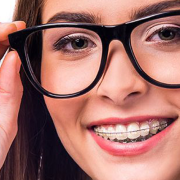
What You Can and Can’t Eat with Metal Braces

If you just received your new metal braces, there are certain foods you can and can’t eat. Your dentist in Fort Meyers, FL, will go over all the dos and don’ts with you. But until then, here is what you need to know.

What You Can and Can’t Eat with Metal Braces

Let’s review.

What You Should Eat the First Few Days After Getting Braces

Immediately after getting your braces, your mouth and gums will be sensitive. Therefore, you will need to stick with eating soft foods that are gentle and won’t cause pain or discomfort. Here are a few of the foods you can eat for the first few days after getting your new metal braces in Fort Meyers, FL.

  • Scrambled eggs
  • Oatmeal
  • Soup
  • Soft vegetables
  • Bananas
  • Yogurt
  • Ice cream
  • Mashed potatoes

Foods to Avoid When You Have Metal Braces

There are some foods you will need to avoid completely. At least until you’ve completed your braces treatment. Below are the foods you absolutely cannot eat when you have metal braces. If you do, it could damage your braces.

  • Hard candies
  • Sticky candies
  • Popcorn
  • Chips
  • Pretzels
  • Nuts
  • Crunchy fruits and vegetables
  • Corn on the cob
  • Beef jerky
  • Chewing gum
  • Hard rolls and bagels

Foods You Can Eat When You Have Metal Braces

But never fear; there are plenty of foods you can eat even when you have metal braces. Here are just a few of your options.

  • Pasta
  • Pizza without the crust
  • Casserole
  • Soft breads
  • Sandwiches
  • Dairy products
  • Soup
  • Soft fruits and vegetables
  • Soft meats that don’t have bones

How to Enjoy Some of Your Favorite Foods without Damaging Your Braces

There are some foods that you are told to avoid when you have metal braces that can still be eaten if you follow a few simple rules. Foods like raw vegetables, hard rolls, croutons, thin pizza crusts, meat, subs, burgers, and the like can all be eaten. But only if you cut them into small pieces first.

Looking for a Dentist in Fort Meyers, FL?

Getting your teeth straightened is an exciting time — at least the prospect of a perfect smile is exciting once you’ve completed your treatment. Please Contact Orthodontics Exclusively to schedule an appointment for your new braces today. We love perfecting peoples’ smiles and we can do the same for you too!