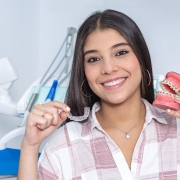
Are Braces for Teens More Effective than Adult Braces?

When people think about braces, they might think about middle-aged or teenaged-kids wearing them. This isn’t just because it’s useful to take care of misalignments earlier rather than later, it’s also because a child’s mouth reacts differently to the treatment. Here, we’ll look at how braces work for teens and how you might be able to intervene even before they ever need them.

Braces for Teens vs. Adults Braces

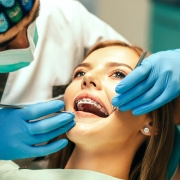
No matter what age you are, getting braces will follow a few basic steps: the orthodontist in Fort Myers, FL will evaluate teeth and gums, fit you for the appliance, and then place the brackets and wires according to your alignment patterns. Whether you’re fixing your teeth or your jaw, the braces will put enough pressure on your mouth over time to move everything into place.

The main difference is that teenagers typically need less time and pressure to make the same adjustments. Because their mouths are more malleable, the treatment may be more effective than when applied to a mouth that’s already developed.

It’s worth noting that adult braces are by no means an ineffective treatment, with plenty of people finding real success at a later age. The distinction is there to motivate parents to take action when their kids are young rather than to dissuade adults from getting braces.

What Is Early Orthodontic Treatment?

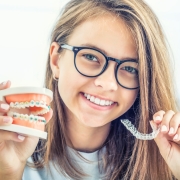
Early orthodontic treatment refers to any procedures done before a teen potentially needs braces in Fort Myers, FL. While it doesn’t guarantee that parents won’t have to commit to braces in the future, it can reduce the severity of a misalignment so their child needs a less invasive procedure, such as clear aligners or even just regular maintenance sessions.

At Orthodontics Exclusively, we can tell you more about whether and how to intervene as early as possible. For example, your 10-year-old child might need to wear an oral device for a few months to potentially avoid two years of braces down the line. Whether your child needs a specialized retainer or expander appliance, you can get the answers you need long before they ever need to worry about adult braces.

How Soon Can My Child Get Braces?

If you’ve noticed that your child’s teeth, whether it’s their baby teeth or their permanent teeth, are crooked, crowded, or spaced too far apart, you may want to know just how soon they can be fitted for braces in Cape Coral, FL. Here, we’ll look at not just the bare minimum age, but also why kids get braces — and what you might be able to do to avoid braces altogether. 

Why Adolescent Braces?

Getting fit for adolescent braces early on isn’t an exercise in impatience but rather an exercise in practicality. The older kids get, the harder it is for an orthodontist in Cape Coral, FL to move them around with clear aligners or braces. So, getting braces early on may reduce the time needed for the child to wear the braces — welcome news for the whole family. 

When Can My Child Be Fitted?

Children can be fitted for braces as young as 8 — even before all of their permanent teeth come in. However, children as young as 7 can still see an orthodontist for interceptive treatment, otherwise known as any treatment designed to straighten teeth before a child needs braces or aligners. Again, this is a practical thing for many parents who want to avoid the expense of lengthy treatment. 

Steps to Take 

Orthodontists recommend braces for kids who have severe alignment issues and clear aligners for more moderate or mild cases. If you want to learn more about your child’s development, including if it’s possible to avoid braces altogether, contact the staff at Orthodontics Exclusively to learn more about not just our general services but how we approach preventative care. 

Adolescent treatment plans are specific to every child. So, even if you know a parent who needed to haul their kid into the orthodontist every other week for years, that doesn’t mean that you’ll face the same issues. Before you make any assumptions, sometimes it’s better to start as early as possible, so you can plan ahead based on your child’s oral health. 

Above all else, remember that braces are as much a cosmetic treatment as they are a necessity for many kids. This treatment makes it far easier for kids to care for their teeth and gums as they get older. 

The Importance of a Well-aligned Bite

Most people don’t realize how much their bite can affect everyday life. You might think misaligned teeth are just a cosmetic problem—something you fix for appearances. But a bite that doesn’t come together properly can lead to issues you barely expect: jaw pain, uneven wear, headaches, even trouble chewing certain foods. The truth is, a well-aligned bite isn’t just nice to have—it’s important for long-term oral health.

Why Bite Issues Happen

There are many reasons people’s bites don’t line up just right. Some were born with jaw or teeth alignment differences. Others had dental trauma, missing teeth, or habits like thumb-sucking or tongue-thrusting in childhood. Sometimes the bite shifts over time as teeth move or wear down, especially if neighboring teeth shift into gaps. Even adults can benefit from treatment: braces for adults in Fort Meyers, FL aren’t just possible—they can be highly effective.

How Misalignment Affects Function

When the upper and lower teeth don’t meet properly, chewing becomes inefficient. That means more pressure on certain teeth, more strain on the jaw joints (TMJ), and more chance for cracks, chips, or sensitivity. Uneven biting may also lead to grinding or clenching, especially at night, which speeds up wear. Some people even notice headaches, ear pain, or stiffness in the neck—all because the muscles are working harder to compensate.

Why Alignment Helps Beyond Looks

Straightening teeth and aligning the bite does more than improve your smile. It helps the teeth meet in a balanced way, reducing unnecessary stress. This supports more even distribution of chewing force, which slows down damage. A balanced bite can improve clarity of speech, make it easier to clean all tooth surfaces, and help you feel more comfortable at mealtimes.

Getting Treatment And Setting Goals

If your bite feels off—or your dentist has mentioned misalignment—it’s worth exploring your options. Your  orthodontist in Fort Meyers, FL can help you identify the goals: better comfort, improved chewing, reduced pain, and of course, a smile you enjoy showing.

A well-aligned bite isn’t just about how your teeth look. It’s about how they work together every time you eat, speak, or rest your jaw. When the bite fits your mouth properly, stress reduces, function improves, and the risk of damage drops. Whether you’re young or mature, treatment makes sense when alignment isn’t quite right. Fixing your bite isn’t just cosmetic—it’s smart care for your long-term oral health.

The Different Types of Metal Braces Explained

If you’re looking into braces in Cape Coral, FL, you might be surprised at how many choices you have today. Metal braces are still a widely used option. And, technology has made braces treatment much more comfortable, faster, and in some cases, less noticeable. There are several types of metal braces from which you can choose.

Let’s break them down.

Traditional Metal Braces

These are the ones most people picture when they think of braces. They have metal brackets and wires. They’ve been around for decades because they work. Traditional braces in Cape Coral, FL, are tough, effective, and often the most affordable option.

Self-Ligating Metal Braces

Think of these as a sleeker upgrade. Instead of elastic bands, these braces use clips to hold the wire in place. That means less pressure. Less friction. And fewer office visits. Many patients say they’re more comfortable than the traditional ones, too.

Mini-Metal Braces

These are smaller versions of traditional braces. This makes them less noticeable and usually more comfortable. And because they’re lighter, they take up less space on your teeth. So, cleaning around them is a bit easier, too.

Colored Metal Braces

How would you like your new braces in Cape Coral, FL, to make a statement? Show off a bit of your personality? Colored braces use the same design as traditional metal braces. The difference is that you get to pick the color of your bands. Whether you want to show your school spirit, holiday vibes, or just don your favorite shade. People love colored braces because they make the treatment more fun.

Lingual Metal Braces

These braces are placed behind your teeth rather than on the front. That makes them almost invisible. They’re just as effective as traditional braces. But they can take longer to get used to. Some people find speaking slightly more difficult until they get used to wearing them. They are also trickier to clean.

Finding the Right Fit

Choosing braces will be a different experience for everyone. Your orthodontist in Cape Coral, FL, can help guide you toward the option that balances comfort, appearance, and budget.

Are You Looking for a Reputable Orthodontist in Cape Coral, FL (or any of the surrounding areas)?

Would you like more information about having your teeth straightened? Please Contact Orthodontics Exclusively today. Our orthodontist will examine your teeth and help you decide which type of braces are best for you. Go ahead and take that first step toward the smile you’ve always dreamed of!

Does Getting Metal Braces Hurt? And Other Commonly Asked Questions

Whether you’re a parent with a teenager who needs metal braces, or you’re getting metal braces yourself, you probably have questions about braces and how they work. Your orthodontist in Cape Coral, Lehigh Acres, and Fort Myers, FL, can help answer these questions.

Speaking with an experienced professional can make getting braces less stressful. Below we’ve recorded some of the most commonly asked questions about metal braces. If you need more information, reach out to us! We’re happy to help.

Does getting metal braces hurt?

Braces installation doesn’t usually hurt, but you may experience some discomfort after they’re installed. Braces put pressure on your teeth and may cause some soreness the day after installation. In addition, metal braces can cause irritation inside the mouth.

You may use orthodontic wax to soften the edges of your braces and reduce irritation. Braces may also be uncomfortable following adjustments. Your orthodontist may recommend over-the-counter pain medications for this type of discomfort.

How long does it take to get metal braces?

Installing metal braces takes about one to two hours.

How long will I wear metal braces?

Many people wear braces for about two years. Your orthodontist will let you know approximately how long you’ll wear braces when they’re installed.

Can I eat anything I want with metal braces?

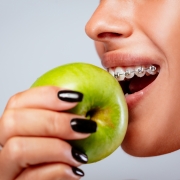
Some types of foods can damage metal braces. Examples of food to stay away from include hard, crusty breads, hard candies, sticky candies, and nuts. Your orthodontist will probably give you a more thorough list of foods to stay away from when your braces are installed.

How often are metal braces adjusted?

Braces are typically adjusted every 4 to 6 weeks. Your orthodontist will let you know when to come back for braces installation.

What are the advantages of metal braces?

Metal braces are effective and are often more affordable than other options. If you would like to straighten your teeth with a dental appliance that has a proven track record, metal braces may be the right option for you.

Your orthodontist can tell you whether braces in Cape Coral, Lehigh Acres, and Fort Myers, FL, are best for your situation. If you think you need braces, make an appointment with your orthodontist today.

Clear Braces vs. Metal Braces: Helping Kids in Cape Coral Make the Right Choice

When your child needs orthodontic treatment, one of the first decisions to make is choosing between clear and metal braces. At Orthodontics Exclusively in Cape Coral, we help families understand the differences so they can select the option that best fits their child’s needs, lifestyle, and personality.

How Each Type of Braces Works

Both clear and metal braces use a system of brackets and wires to gently guide teeth into better alignment. The main difference is the material and visibility of the brackets. Metal braces use stainless steel brackets and wires that are highly durable. Clear braces use tooth-colored ceramic brackets that blend in more naturally with teeth.

Both options deliver excellent results. The right choice often comes down to aesthetics, treatment goals, and maintenance preferences.

Who Each Option Is Best For

Metal braces are often recommended for younger kids and those with more complex alignment issues. They are strong, efficient, and less likely to be damaged by active lifestyles or less cautious habits.

Clear braces are typically a better fit for older children or teens who are more concerned about appearance and can handle the responsibility of maintaining ceramic brackets. These are also more suitable for less severe orthodontic corrections.

What to Expect from Treatment

The experience of wearing clear or metal braces is quite similar. Both types require regular adjustments every few weeks and need consistent oral hygiene to prevent buildup and protect the brackets. Treatment time also tends to be about the same, though metal braces can sometimes move teeth a little faster, especially in complex cases.

Clear braces can stain if not properly cared for, so kids must avoid certain foods and brush thoroughly after meals. Metal braces are more forgiving but still require attention to oral health.

Benefits of Clear and Metal Braces

Clear Braces:

  • Subtle appearance that blends with teeth
  • Great for image-conscious kids and teens
  • Effective for a wide range of alignment needs

Metal Braces:

  • Extremely durable and reliable
  • Often more cost-effective
  • Ideal for active kids and complex treatments

FAQ

Are clear braces more expensive than metal ones?
Yes, clear braces typically cost more due to the materials used. We offer flexible payment options to help families find the right fit for their budget.

Can kids switch between clear and metal braces mid-treatment?
In some cases, yes. Talk to your orthodontist to see if this is a practical option based on your child’s treatment progress.

Which option is faster?
Metal braces can sometimes produce quicker results in complicated cases. However, both systems are designed to be effective and efficient.

At Orthodontics Exclusively in Cape Coral, we are committed to helping your child feel confident and comfortable in their orthodontic care. Whether you choose metal or clear braces, our team will guide your family through every step with expert care and friendly support.

Schedule your child’s free consultation today and let us help you find the best path to a healthy, confident smile.


It’s Never Too Late: Why More Adults in Fort Myers Are Choosing Braces

Orthodontic care is no longer just for kids and teens. In Fort Myers and across Southwest Florida, more adults than ever are turning to braces to improve their smiles and boost their confidence. Whether you’re preparing for a career milestone, a wedding, or simply want to invest in your health, Orthodontics Exclusively offers personalized solutions designed specifically for adult patients.

How Braces Work for Adults

Braces function the same way for adults as they do for younger patients. Brackets are bonded to your teeth and connected with wires that apply gentle, consistent pressure to gradually guide teeth into alignment. Treatment may take slightly longer in adults due to the density of mature bone, but modern techniques and technologies ensure highly effective and comfortable care.

Adult patients can choose from several options, including metal braces, clear ceramic braces, and aligner-based systems, depending on their needs and lifestyle.

Who Should Consider Braces

Adults of all ages can benefit from orthodontic treatment. If you’ve dealt with crooked teeth, bite issues, spacing problems, or shifting since childhood, braces can help correct these concerns. Even if you had braces as a teen, teeth can move over time, and retreatment can restore your ideal smile.

You may also be a candidate for braces if you experience:

  • Jaw discomfort or bite alignment issues
  • Difficulty chewing or speaking
  • Excessive wear on certain teeth
  • A desire to improve your smile’s appearance

What to Expect as an Adult Orthodontic Patient

Your orthodontic journey begins with a consultation and detailed exam. We’ll discuss your goals, review X-rays and imaging, and recommend a customized treatment plan.

Adults may wear braces for 12 to 24 months, depending on the complexity of their case. Regular check-ins help us adjust your appliances and keep progress on track. With proper care and commitment, most adults see significant improvements in both function and aesthetics.

Benefits of Braces for Adults

  • Enhanced confidence in professional and social situations
  • Improved oral health and easier cleaning
  • Correction of long-standing bite or alignment issues
  • Prevention of further dental wear or gum problems
  • Access to discreet treatment options that fit your lifestyle

FAQ

Will braces affect my appearance or confidence at work?
Modern braces are sleeker and more subtle than ever. Clear options are nearly invisible and ideal for professional environments.

Am I too old for braces to work?
No. Healthy teeth can move at any age. As long as your gums and bones are strong, you are a great candidate for orthodontic care.

Are adult braces more expensive than those for teens?
Costs are similar, but vary depending on the treatment type and length. We offer flexible payment plans to make treatment affordable for adults.

At Orthodontics Exclusively, we understand the unique concerns of adult patients. Our Fort Myers team is here to support your goals with expert care, flexible scheduling, and treatments designed to fit your lifestyle.

Schedule your adult orthodontic consultation today and rediscover the power of your smile.

Simple Home Remedies to Relieve Braces Discomfort in Southwest Florida

Braces do incredible work, but they can come with temporary discomfort, especially after adjustments or in the early stages of treatment. Whether you’re in Fort Myers, Cape Coral, or Lehigh Acres, knowing how to manage soreness at home can make your orthodontic journey much smoother. At Orthodontics Exclusively, we believe that comfort is key to a successful and positive treatment experience.

How Braces Cause Discomfort

As braces begin to shift your teeth, they create pressure on the gums, ligaments, and bone that support them. This movement is essential for alignment but can lead to soreness, particularly after new wires or adjustments. Brackets and wires may also irritate the soft tissues inside your mouth.

This discomfort is completely normal and usually fades within a few days. In the meantime, several easy home remedies can provide fast relief.

Who Experiences This

Children, teens, and adults all experience some level of discomfort during braces treatment. The first few days after getting braces or during regular adjustments are often when the most soreness occurs. Patients with sensitive teeth or gums may feel more discomfort, but everyone can benefit from at-home solutions.

What to Expect and How to Soothe It

Expect mild aching in your teeth and jaw, tenderness while chewing, or irritation from brackets rubbing against your cheeks and lips. Here’s how to ease that discomfort without leaving home.

Simple and Effective Home Remedies

  1. Saltwater rinses
    Mix one teaspoon of salt in a glass of warm water and swish gently for 30 seconds. This soothes irritated gums and speeds healing for minor mouth sores.
  2. Orthodontic wax
    Apply wax over brackets or wires causing friction. This creates a smooth barrier between your braces and sensitive tissue.
  3. Cold compresses
    Apply a cold pack to your cheek for 10 to 15 minutes to reduce inflammation and numb sore areas.
  4. Over-the-counter pain relief
    Ibuprofen or acetaminophen can help manage pain in the first few days after adjustments. Always follow dosing guidelines.
  5. Soft foods
    Stick to easy-to-chew meals like soups, smoothies, mashed potatoes, and yogurt during sore periods.
  6. Good oral hygiene
    Brushing gently and rinsing with mouthwash helps prevent irritation from trapped food particles and bacteria.

FAQ

How long does braces discomfort usually last?
Most soreness fades within three to five days after an adjustment. If pain continues beyond that, contact your orthodontist.

Can I use numbing gels or ointments?
Yes, oral numbing gels can be applied directly to irritated spots. Use only as directed and avoid overuse.

Should I avoid activity or school because of braces pain?
No. While discomfort is common, it is manageable and should not interfere with daily routines. Stick to soft foods and stay hydrated.

Orthodontic treatment does not have to mean constant discomfort. With the right at-home care and support from our team, you can stay comfortable and confident every step of the way.

Need more tips or have a question about your treatment? Reach out to Orthodontics Exclusively and let us help you feel at ease with your braces.

Metal Braces vs. Clear Braces: Which Option Is Best for You


Choosing to straighten your smile is an exciting step toward improved confidence and dental health. But with so many orthodontic options available, many patients wonder: should I go with traditional metal braces or opt for the more discreet clear braces? At Orthodontics Exclusively, with convenient locations in Fort Myers, Cape Coral, and Lehigh Acres, we’re here to help you make the best choice for your lifestyle and smile goals.

How Metal and Clear Braces Work

Both metal and clear braces work by gradually moving your teeth into proper alignment using brackets and wires. The main difference lies in the materials and appearance. Metal braces use durable stainless steel, while clear braces use ceramic brackets that blend in with your natural teeth. Both are highly effective in treating a wide range of orthodontic issues, including overcrowding, gaps, overbites, and underbites.

Who They’re For

Metal braces are often recommended for younger patients, such as children and teens, or for those with more complex orthodontic cases. They’re known for their strength, reliability, and often faster treatment times.

Clear braces are ideal for older teens and adults who want a more subtle option. If you’re concerned about the aesthetic impact of braces—especially in professional or social settings—clear braces offer an excellent balance of effectiveness and discretion.

What to Expect with Each Option

With metal braces, you’ll likely notice them more in photos or face-to-face conversations. However, many kids and teens enjoy customizing their look with colorful bands. These braces require regular adjustments, and you may experience some initial discomfort as your teeth begin to shift.

With clear braces, appointments and adjustments are similar, but it’s important to be mindful of foods and habits that could stain the ceramic brackets. Good oral hygiene is essential to keep them looking their best throughout treatment.

Benefits of Each Type

Metal Braces:

  • Cost-effective and durable
  • Excellent for complex tooth movements
  • Faster treatment times in some cases

Clear Braces:

  • Discreet and aesthetically pleasing
  • Just as effective for most orthodontic needs
  • A confidence boost for image-conscious teens and adults

FAQ

Are clear braces more expensive than metal braces?
Yes, clear braces typically come at a higher cost due to the materials used and their cosmetic appeal. Our team can help you understand all pricing options and payment plans.

Do clear braces stain easily?
The ceramic brackets are resistant to staining, but the elastic ties can discolor. Avoiding certain foods and drinks—like coffee, tea, and tomato-based sauces—can help keep them clear.

Can I switch from metal to clear braces mid-treatment?
In some cases, yes. Talk to your orthodontist to see if a transition is possible and advisable based on your treatment plan.


At Orthodontics Exclusively, we’re committed to helping you find the right orthodontic solution for your unique needs. Whether you’re leaning toward classic metal braces or interested in the subtle power of clear braces, our Fort Myers, Cape Coral, and Lehigh Acres teams are ready to guide you through every step of your smile journey.

Schedule your free consultation today and take the first step toward a smile you’ll love!

5 Things You Can Do to Help Your Child Avoid Needing Braces

Many kids need braces by the time they reach the teen years, but did you know there are things you can do to help your child avoid this kind of dental treatment?

By helping your child develop good jaw structure, you may be able to prevent them from needing braces later. As your orthodontist in Fort Myers, Cape Coral, and Lehigh Acres, FL, the professionals at Orthodontics Exclusively are here to help you help your child. Below are five things you can do to help your child develop good tooth and jaw alignment from an early age.

1. Breastfeed Until Age 1 or 2

Breastfeeding is good for your child’s jaw structure. The movement of the tongue during breastfeeding helps your child’s jaw and mouth develop fully, and that can prevent the need for braces. If you breastfeed your child, consider breastfeeding them until they’re two years old to help your child’s facial features develop properly.

2. Stop Pacifier Use By Age 3

Pacifiers can be good for soothing children. The use of pacifiers can even help reduce the chances of SIDS! However, pacifiers can start to impact your child’s jaw development as they get older. To avoid a problem stop the use of pacifiers by the time your child turns three years old.

3. Stop Sucking Thumb By Age 5

If your child sucks their thumb, this too can impact how your child’s jaw and teeth develop. Stop your child from sucking their thumb by the time they turn 5 years old.

4. Take Your Child to the Dentist Starting from Age One

Your child’s dentist can help you identify problems that need to be addressed from an early age. Bringing your child to the dentist can help your child avoid more serious problems down the road. Start taking your child to the dentist from the time they’re one.

5. Get An Early Evaluation by an Orthodontist

Get an early orthodontic assessment in Fort Myers, Cape Coral, and Lehigh Acres, FL to find out if there’s anything else you can do to help your child avoid braces. Call Orthodontics Exclusively today to make an appointment.